
The Nature of Luck in Gambling
Luck is an intrinsic element of the gambling experience, profoundly influencing outcomes in casino games. Unlike skill-based games where players can elevate their chances through strategy, luck in casinos tends to operate beyond personal control, often leading to unpredictable results. This reliance on chance makes every game feel unique, reinforcing the electrifying atmosphere that casinos are known for. Players often enjoy the thrill of the moment, as they may turn to online pokies payid for a chance to test their fortune, creating an exhilarating sense of anticipation that keeps them engaged.
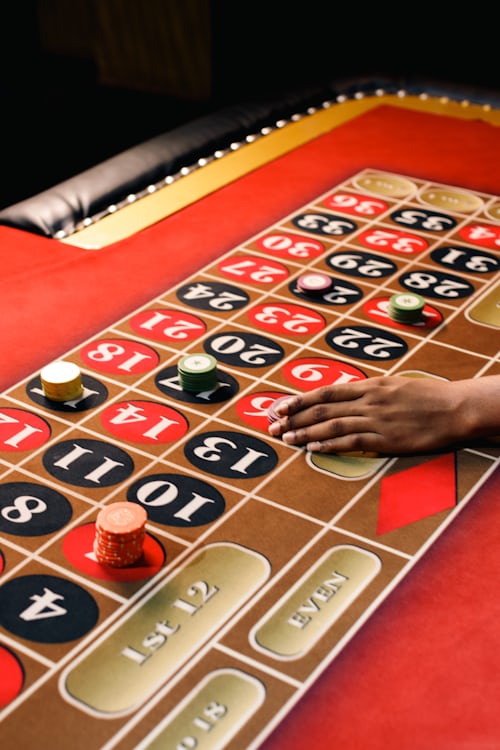
For example, in games like roulette, the outcome is dictated solely by the spin of the wheel and the fall of the ball, leaving no room for skill to intervene. Even in card games where strategy plays a role, such as poker, the hand dealt remains a matter of pure chance. This randomness of outcomes is what keeps players coming back, drawn by the hope that luck might favor them at any point during their gaming session. Ultimately, luck provides a thrill that is central to the casino experience and contributes to the psychological high players feel when they gamble.
Moreover, luck is often perceived differently by each player. Some may consider themselves ‘lucky’ due to a few significant wins, while others might feel perpetually unlucky despite their efforts. This subjective nature of luck adds another layer of complexity to gambling, as players’ beliefs about luck can influence their behavior at the tables. As a result, casinos thrive on this concept of luck, recognizing it as a critical factor in players’ willingness to gamble and take risks, which in turn drives their revenue and customer retention.
The Psychological Impact of Luck
The psychological framework of luck also plays a substantial role in a player’s overall casino success. Many players invest emotional energy into the notion of luck, often attributing winnings and losses to external forces rather than their own skills or strategies. This belief can shape how they approach gaming, leading to a cycle where they chase luck, sometimes resulting in detrimental behaviors like gambling addiction. The thrill of winning fuels the emotional response, often overshadowing the losses incurred along the way and creating a potent cocktail of excitement and risk.
Additionally, the concept of ‘lucky charms’ or rituals often emerges among players who seek to enhance their luck. This phenomenon encompasses everything from carrying specific tokens to wearing lucky clothing or even performing specific actions before placing a bet. The reliance on these superstitions highlights the powerful association between luck and personal success in gambling. As such, the psychological connection to luck can impact a player’s decisions, leading them to make choices that they believe will improve their odds, regardless of the statistical reality.
Furthermore, casinos capitalize on this psychological aspect by creating environments that amplify feelings of luck. Bright lights, enticing sounds, and celebratory themes contribute to a space where players feel energized and hopeful. This atmosphere can significantly affect players’ perceptions of their luck, enhancing the gambling experience. By fostering a sense of euphoria and expectation, casinos enhance the appeal of chance-based games, reinforcing the belief that luck is always just around the corner, and thus encouraging players to engage further.
The Role of Randomness in Casino Games
Randomness is the backbone of most casino games, which is fundamentally tied to the role of luck. Games like slot machines and dice-based games epitomize the unpredictable nature of gambling, where outcomes depend on chance rather than player skill. The inherent randomness not only maintains the excitement but also ensures that no two gaming sessions are identical, attracting repeat players eager for new experiences. This randomness serves as a reminder that every spin, roll, or card flip holds the potential for significant rewards, making the gaming process dynamic and continuously thrilling.
Moreover, this element of uncertainty strengthens players’ engagement. The prospect of hitting a jackpot or attaining a winning streak encourages players to keep placing bets. For instance, a player may spin a slot machine multiple times, driven by the hope that their luck will change, leading them to a grand prize. As players invest more time and money into games characterized by high randomness, casinos continue to reap the benefits of this unpredictable nature, ensuring that the odds remain in their favor and that the excitement of the game never wanes.
The randomness in casino games is facilitated by advanced technology through random number generators, especially for online gaming. These systems ensure that no two outcomes are ever the same, enhancing the sense of unpredictability. This technological aspect not only reinforces the concept of luck but also encourages healthier gaming practices, as players are made aware that outcomes are completely out of their control. By embracing randomness, casinos create an environment where luck reigns supreme, ultimately defining the gambling experience and fostering a culture of excitement and anticipation.
The Paradox of Skill and Luck
While luck plays a crucial role in casino success, a paradox exists between luck and skill. In certain games like poker or blackjack, skill can influence outcomes, making it easy for players to misinterpret the importance of luck. Players might believe that expertise can eradicate the role of chance, but the reality is that luck will always factor into the equation, sometimes overshadowing even the most skilled players. This paradox serves as an important reminder of the unpredictable nature of gambling, emphasizing that no amount of strategy can guarantee success.
Consider professional poker tournaments where elite players face off against one another, with outcomes sometimes hinging on a single card. Even the most skillful players cannot escape the whims of luck, as the cards they receive can plunge them into victory or defeat. This aspect of gambling keeps the playing field level, ensuring that even the best players must remain humble and aware of luck’s omnipresence in their game. It serves as a constant reminder that, despite skill and strategy, luck often plays the leading role in determining success, making the game both challenging and unpredictable.
Furthermore, this paradox highlights the balance that players must strike between honing their skills and recognizing the role of luck. An overemphasis on personal ability can lead to frustration and disappointment when luck does not favor them. Conversely, surrendering entirely to the whims of chance can lead to reckless gambling behaviors. Thus, understanding this intricate relationship between skill and luck can be the key to a healthier approach to casino gaming, where players balance their strategies while embracing the inevitability of luck as a critical component of their gaming journey.
The Casino’s Perspective on Luck
From a casino’s perspective, luck is viewed as both a marketing tool and a fundamental element of the gaming experience. Casinos actively cultivate an environment infused with the essence of luck, as this attracts players eager for thrilling experiences. Promotions like “Lucky Days” or “Jackpot Weeks” are commonly utilized to entice players, playing into the narrative that fortune could smile upon them during their visit. This strategic handling of luck creates an engaging atmosphere that keeps players returning for more, whether they win or lose, and solidifies the bond between luck and the overall casino experience.
Additionally, casinos often highlight stories of big winners to further amplify the narrative surrounding luck. By showcasing these success stories, they create a buzz that resonates with prospective players, instilling the belief that anyone can win big if luck is on their side. This not only serves to attract new players but also to retain existing ones by reigniting their hopes of winning. Furthermore, the allure of a chance-based environment capitalizes on the psychological thrill of taking risks, making players much more likely to spend their money at the casino, thus enhancing the casino’s revenue.
Ultimately, the casino industry thrives on the concept of luck, incorporating it into every aspect of gaming operations. As a result, the unpredictability of outcomes keeps players engaged and generates ongoing excitement. When players believe in the power of luck, they’re more likely to participate, invest time, and spend money. This symbiotic relationship between casinos and the notion of luck solidifies its role as a cornerstone of the overall gambling experience, driving player engagement and ensuring the longevity of the gaming establishment.
